wood types
Choice of wood
Explore our wood types
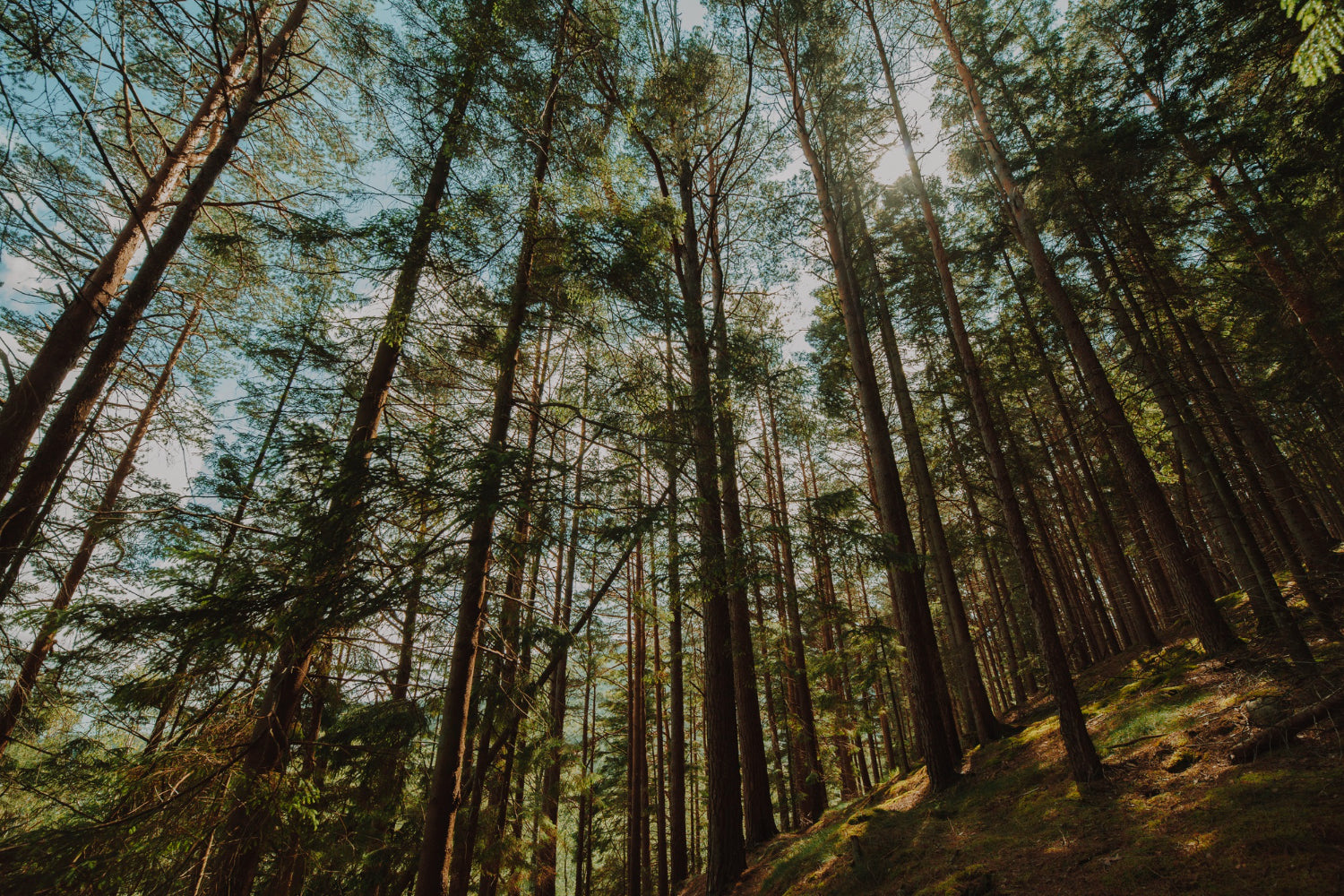
Douglas
Douglas wood has a beautiful, light color with a rosy glow. It is generally characterized by very few knots, but variations can occur from plank to plank – nature decides.
Douglas wood flooring is unique, but similar grain patterns and the purity of the wood can also be seen in Pitch Pine.
Douglas belongs to the conifer family and is a softer wood type that forms a calm and harmonious pattern, making it very suitable for, among other things, rooms with large floor areas.
Due to its grain patterns, this type of wood is also prone to cracking over time if you are not extra careful to saturate the surface with oil or soap after installation and before use – as well as during ongoing care and maintenance.
Hairline cracks (up to 0.5 mm in width) may occur in the wood. Douglas is a soft wood type, which means that pressure marks can occur with use. However, these marks are easy to remedy with correct maintenance – and often most soft marks will disappear just by floor washing or a refresh with oil.
What are the advantages and disadvantages of this type of wood?
Douglas is part of the conifer family. It is a softer wood type that forms a calm pattern and is very suitable for, among other things, rooms with large floor areas. Hairline cracks (up to 0.5 mm in width) may occur in this type of wood.
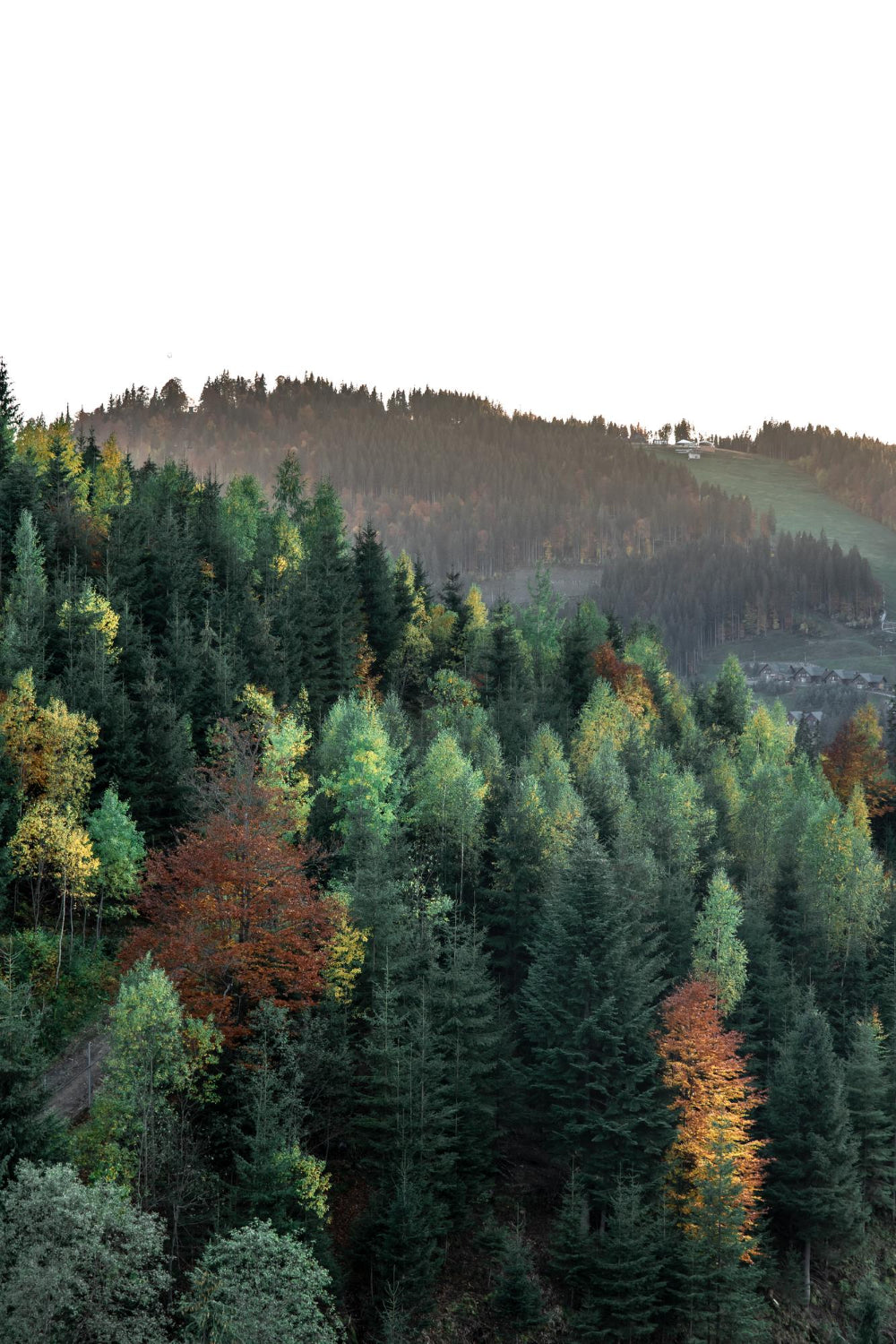
Fire
Pine is a type of wood with beautiful color variations and knots.
The number of knots varies greatly – nature decides. Pine is knotty, but the knots are sound and have a fresh color. The wood ages gracefully and adds a warm and cozy atmosphere to any room.
It is the Danes' preferred type of wood for building materials and has been a reliable choice for countless satisfied customers for many years. Pine belongs to the conifer family and is a softer type of wood that feels warm and pleasant to walk on.
Pressure marks may occur with use, but these are easy to remedy with proper maintenance. Often, most soft marks will disappear simply by washing the floor or refreshing it with oil.
What are the advantages and disadvantages of this type of wood?
Pine is part of the conifer family. It is a softer type of wood that is warm and pleasant to walk on. If a mark appears, the wood will often rise with floor washing.
Ask
Ash hardwood flooring has a brownish or reddish tint, and the wood's structure provides both a unique appearance and a strength that only Danish ash trees can offer.
The number of knots varies depending on the grading. Gradings with more character and brown heartwood will typically have more knots and fillings.
Ash wood is classified as hardwood. This means that its wear resistance is good, but the surface requires maintenance to protect the wood. Since ash belongs to the hardwood family, it is less susceptible to marks than softer wood types. Should accidents nevertheless occur, most pressure marks can be raised with water exposure – provided the surface is not lacquered.
If the floor is supplied oiled, it is important that the surface is thoroughly saturated from the start so that the floor becomes dirt-repellent and easy to clean.
Ash wood has a unique glow and color variation rarely seen in other wood types. It can appear both stylish and uniform – or with vibrant patterns and prominent knots.
What are the advantages and disadvantages of this wood type?
Ash wood belongs to the hardwood family. Therefore, the wood is not as prone to marks as other wood types. Ash wood has a unique glow and color variation not seen in many other wood types. The wood can appear both very stylish and uniform, but also with a vibrant color variation and knots.
I
Oak hardwood flooring has a warm brownish to reddish-brown hue.
The number of knots varies depending on the grading. Grades with more character will typically have more knots and fillers.
Oak wood is classified as hardwood, which provides good wear resistance. However, the surface requires maintenance to protect the wood. Oak wood floors from Danish forests are of a very special quality and fit into most homes – regardless of housing style.
Oak wood is naturally rich in tannic acid, which can cause blue-black marks if it comes into contact with moisture. It is therefore important to wipe up spills quickly – especially if the surface is not sealed with, for example, lacquer. If the floor is delivered oiled, it is important that the surface is thoroughly saturated from the beginning, so that the floor becomes dirt-repellent and easy to clean.
If you have houseplants directly on the floor, you should ensure that the pots are not made of metal, as this can cause reactions with the tannic acid in the oak wood.
What are the advantages and disadvantages of this wood species?
Oak belongs to the hardwood family and creates a great atmosphere in the home. Oak is strong and incredibly durable. Oak is naturally very rich in tannic acid, which can cause blue-black marks if it comes into contact with moisture.
Pitch Pine
Pitch Pine wood flooring has a beautiful light color and appears almost completely knot-free. Naturally, the greatest variation in the planks comes from the beautiful grain patterns, which can vary in color from light to dark. Pitch Pine wood flooring is unique. However, similar grain patterns and clarity are seen in Douglas fir.
Pitch Pine is part of the conifer family. It is a softer wood species, so pressure marks may appear with use. However, these marks are easy to rectify with maintenance, and often most soft marks can disappear with just a floor wash or a refresh of the oil.
Hairline cracks (up to 0.5 mm wide) can occur in this wood species. Due to the grain patterns, this wood species is susceptible to future crack development if you are not extra careful to saturate the surface with oil or soap after installation and before use, as well as with subsequent care and maintenance. During particularly dry periods (when humidity is low), it is recommended to pay extra attention to adding moisture to the room to slow down crack development.
What are the advantages and disadvantages of this wood species?
Pitch Pine is part of the conifer family. It is a softer wood species that forms a calm pattern and is particularly well suited for rooms with large floor areas, among other things. Hairline cracks (up to 0.5 mm wide) can occur in this wood species.


a wealth of wood types for any home
An important choice
At Wiking Gulve, you will find engineered wood flooring in a wide range of wood species. The selection includes both soft and hard types of wood – as well as light and dark shades. This makes it easy to find a wood floor that perfectly suits your home and the look you desire.
The floor is a central part of the interior. It has more points of contact than any other surface and often reveals your personal style and preferences. High demands are placed on a floor – it must both look good and have specific properties. Robustness, maintenance intervals, aesthetics, and structure all play a significant role.
Listen to the podcast
How to choose the right wooden floor
Wooden floors with respect for nature and craftsmanship
Danish wood species and wood flooring from Northern Europe
No matter which type of wood your new plank floor from Wiking Gulve is made of, you can always be sure that the wood comes from sustainable Danish and Northern European forests, where consideration for nature plays a crucial role.
With great respect for nature, in collaboration with experienced foresters, we handpick the best logs from sustainable forest areas to create Danish wooden floors that will be a benefit and joy for many, many years.
95% of our floors are made from wood from Northern Europe. The wood is transported to our own factory in Denmark, where it is processed into beautiful and durable plank floors. By managing the entire process from tree to floor, we ensure consistently high quality. At the same time, this results in less transport and thus lower CO2 emissions.
We avoid wood that is unnaturally and quickly grown, and we respect that natural and slow growth results in trees with denser grains – and thus stronger floors. Therefore, we source Pitch Pine from the USA, where this type of wood grows completely naturally.

Danish-produced wooden floors

FSC, PEFC and Cradle to Cradle certified

We only use wood from 100% sustainable forests

Order a wood sample or flooring consultant

Easy assembly with Q-LOC click system & tongue/groove

Tel.: +45 97 52 56 00
Email: wiking@wikinggulve.dk
Wiking Gulve A/S
Hesthøjvej 16
DK- 7870 Roslev
CVR No.: 3232 3995
Phone hours
Monday 8.00 AM – 4.00 PM
Tuesday 8.00 AM – 4.00 PM
Wednesday 8.00 AM – 4.00 PM
Thursday 8.00 AM – 4.00 PM
Friday 8.00 AM – 3.00 PM
Showroom
Professional
Warranty Terms