surface treatment
surface finish selection
choose the surface that best suits your everyday life
Types of Surface Treatments
A Wiking floor that comes oiled is pre-treated and therefore needs to be saturated after installation. The oil we use is a breathable oil, meaning that as a customer, you can choose both soap and oil for saturation.
Oil for after-treatment is available with and without white pigmentation. Which one you should use depends on the desired end result. If the delivered surface is white-pigmented, saturation with a white-pigmented oil is usually chosen, but you can also saturate the surface with a neutral oil if you do not wish to further lighten the wood's color. If you wish to have a soap-saturated floor, this can also be done even if the surface is pre-oiled from the factory.
Advantages of oil treatment:
Oil provides a natural surface that complements the wood well. It is relatively easy to carry out ongoing maintenance on the wood yourself. It is important to care for the surface so that it maintains good saturation and the wood is protected.
Disadvantages of oil treatment:
Wood oil provides moderate wear resistance. When treating with oil, you must spread the oil evenly to achieve a uniform appearance on the floor surface. Heat is generated when the oil cures, so be careful with rags with oil residue, as they can be self-igniting.
How to treat it upon installation:
Immediately after installation, the floor must be saturated with oil. Use Trip Trap Oil Care White or Natural and follow the instructions on the container. The floor needs to be treated once, after which you can move into your new Wiking floor as soon as the oil has cured according to the manufacturer's instructions.
How to treat it generally:
We recommend that you regularly maintain your oiled floor with Trip Trap Oil Care once a year. If the floor is installed in a high-traffic room, e.g., a hallway or a kitchen, you should expect it to need care more often than if the floor is in a bedroom.
Ordinary floor washing can often be done with clean lukewarm water or possibly Trip Trap Natural Soap. You can benefit from washing the floor with Trip Trap Oil Soap every 4-5 washes to postpone the next oil treatment a bit, as you thereby add a little oil to the surface. However, you should not use oil soap with every floor wash, as the wood can become oversaturated and develop a greasy oil layer, which will bind dust and dirt to the surface.
All care and maintenance products mentioned can be purchased in our webshop - find them here.
A lacquered Wiking Floor has been given several layers of lacquer to create a good and durable surface. A natural lacquered floor has been given 7 layers of lacquer and a white-pigmented floor has been given 8 layers of lacquer. The last 2 layers are an extra durable lacquer.
Advantages of lacquer treatment:
Lacquer gives the floor the most durable surface and does not allow dirt to penetrate the wood. It provides a very smooth surface that is very easy to clean and also forms a water-repellent surface on the wood.
Disadvantages of lacquer treatment:
Lacquer seals the wood, so scratches and marks cannot rise again when the floor is washed. The surface can get scratched, and especially transverse scratches can be difficult to hide again. It is not easy to spot repair, and there will be visible color differences between the repair and the original lacquer.
How to treat it during installation:
The lacquered surface is ready for use after installation.
How to treat it in general:
Lacquered floors, like all other surfaces, require ongoing maintenance. It is recommended to place felt pads under chairs to minimize surface scratches. If the floor gets a scratch, it is advisable to treat it with Trip Trap Lacquer Care. The lacquer care does not remove the scratch but minimizes its appearance.
If there has been a break in the lacquer, it is very important that the damage is repaired as soon as possible, so that the lacquer is sealed and liquid cannot penetrate the wood. For floor washing, it is recommended to use Trip Trap Vinyl, Laminate, and Lacquer Soap. Follow the dosage instructions from the manufacturer.
All mentioned care and maintenance products can be purchased in our webshop - find them here.
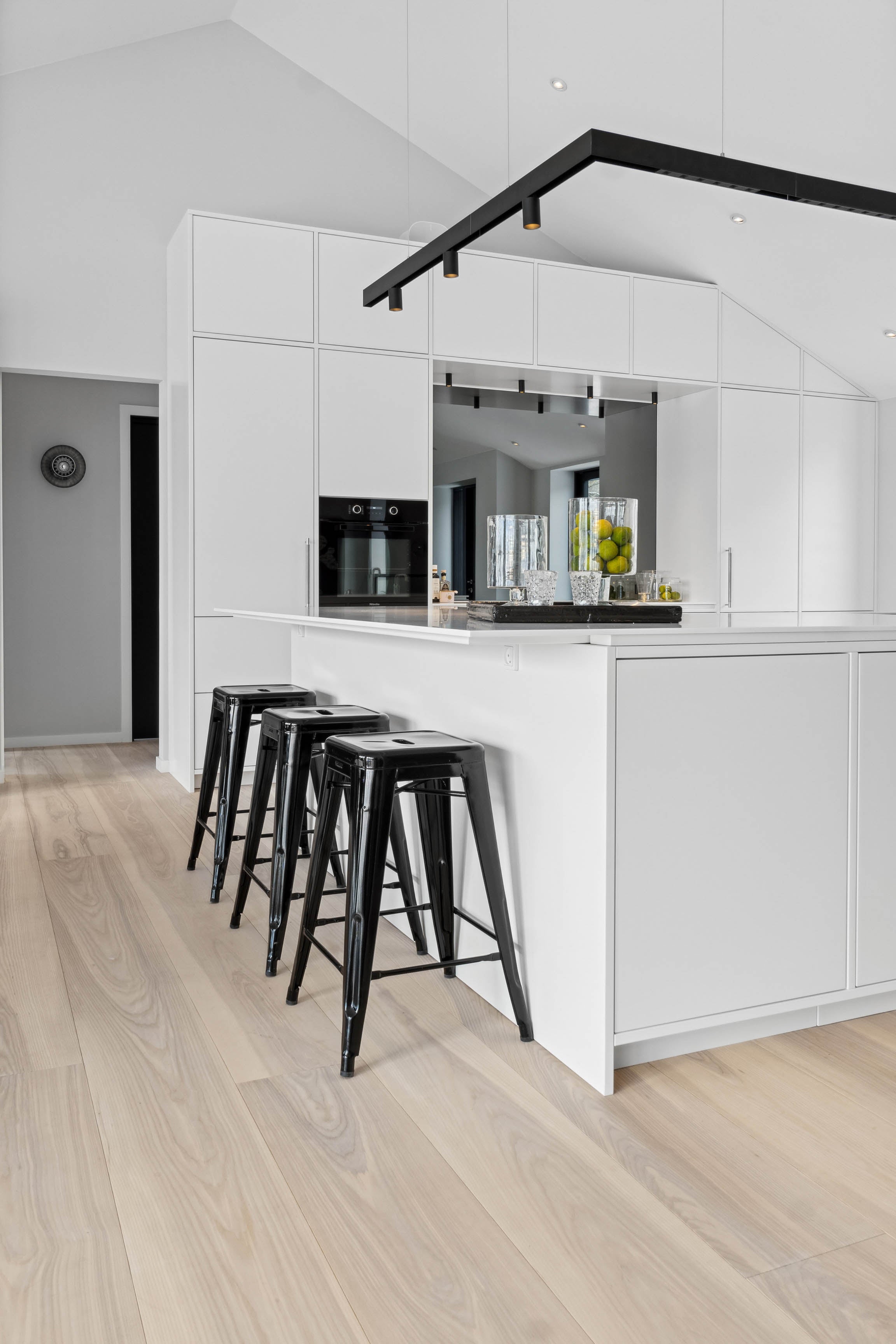
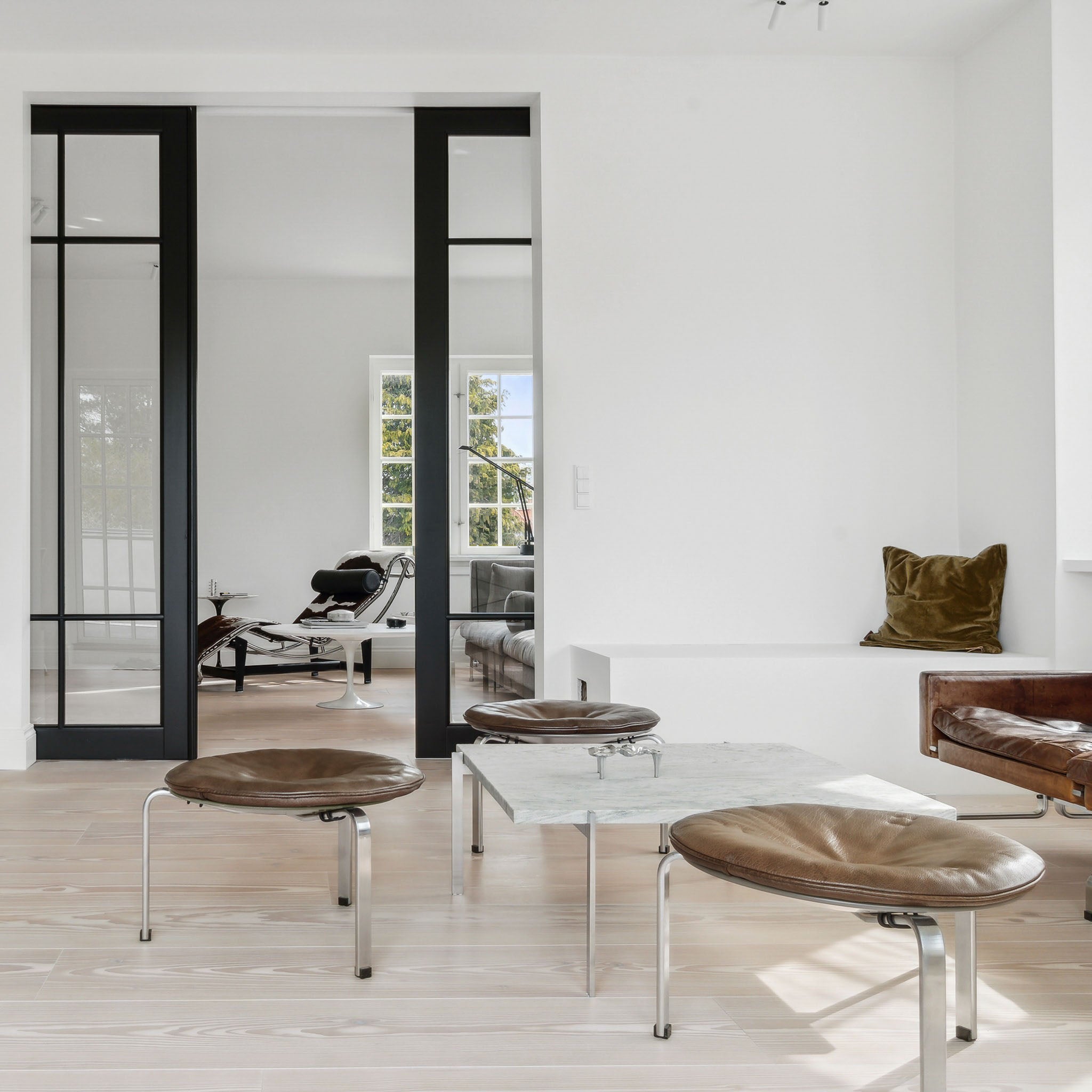
Which surface should you choose
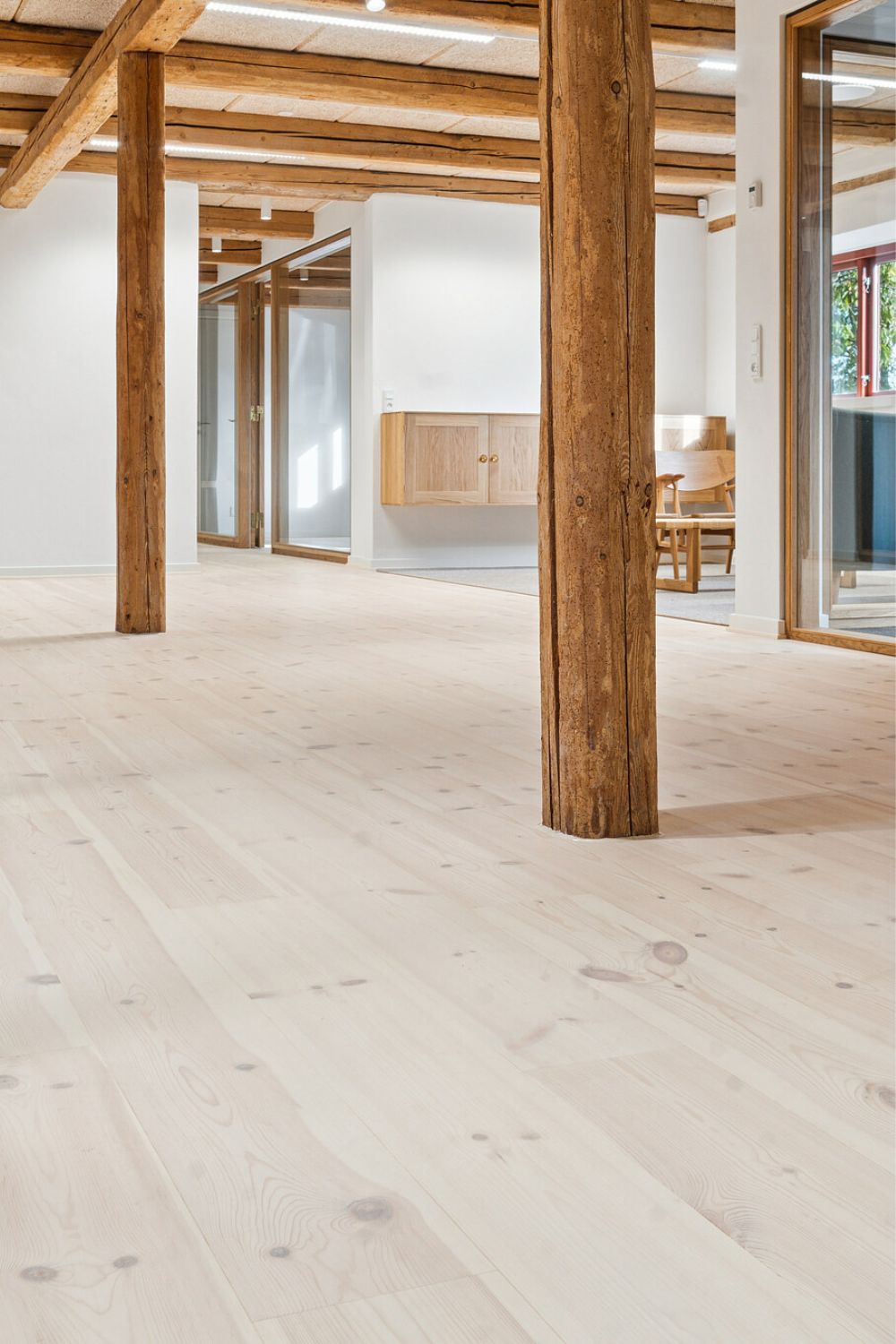
Surface treatment of wooden floors
When choosing a surface treatment, you should consider the type of wood, its appearance, and ongoing maintenance.
The purpose of the surface treatment is to protect the wood from wear and tear, make daily cleaning easier, and give the wooden floor the desired look – both now and in the long term.

Danish-produced wooden floors

FSC, PEFC and Cradle to Cradle certified

We only use wood from 100% sustainable forests

Order a wood sample or flooring consultant

Easy assembly with Q-LOC click system & tongue/groove

Tel.: +45 97 52 56 00
Email: wiking@wikinggulve.dk
Wiking Gulve A/S
Hesthøjvej 16
DK- 7870 Roslev
CVR No.: 3232 3995
Phone hours
Monday 8.00 AM – 4.00 PM
Tuesday 8.00 AM – 4.00 PM
Wednesday 8.00 AM – 4.00 PM
Thursday 8.00 AM – 4.00 PM
Friday 8.00 AM – 3.00 PM
Showroom
Professional
Warranty Terms